Located on Korea’s southeastern coast, Gyeongju was the capital of the Silla Kingdom for nearly 1,000 years. Today, it is one of the most historically concentrated cities in the country, with royal tombs, Buddhist temples, stone pagodas, and palace ruins spread across a relatively compact area.
Gyeongju is often described as “a museum without walls.” Unlike larger cities such as Seoul or Busan, many of its major historical sites are located outdoors and within short distance of each other. This makes the city particularly suitable for travellers who prefer walking-based sightseeing, short taxi rides, and a slower travel pace.
For first-time visitors to Korea, Gyeongju offers a clear view of the country’s ancient history without requiring specialist knowledge. Most landmarks are well-signposted in English, and the city works well as a short standalone trip or as part of a wider Seoul–Busan itinerary.
Getting to Gyeongju from Seoul or Busan
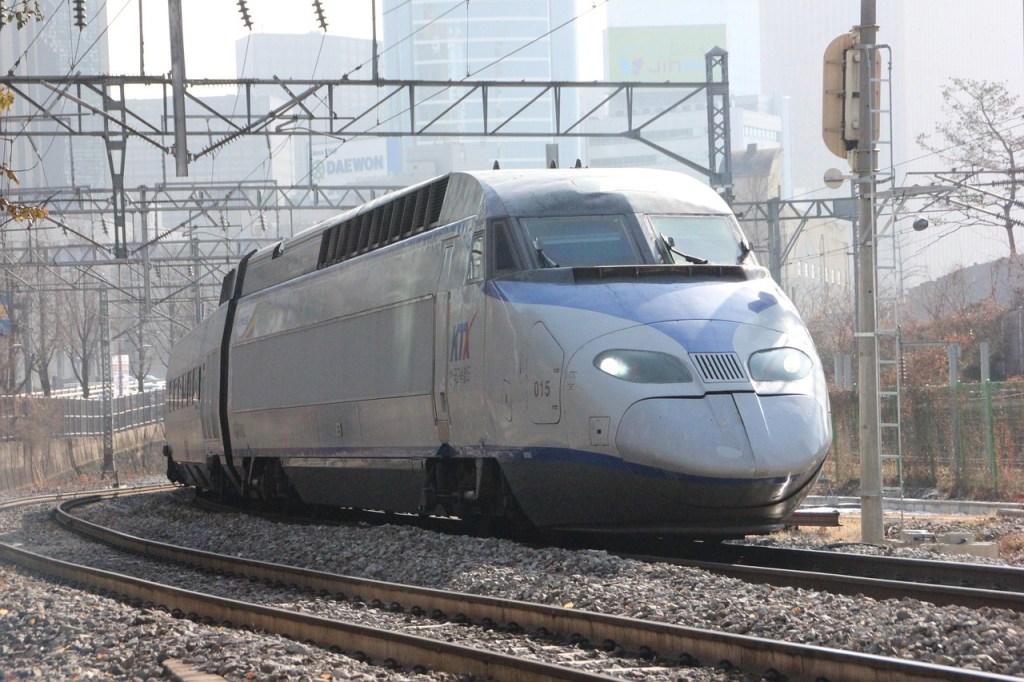
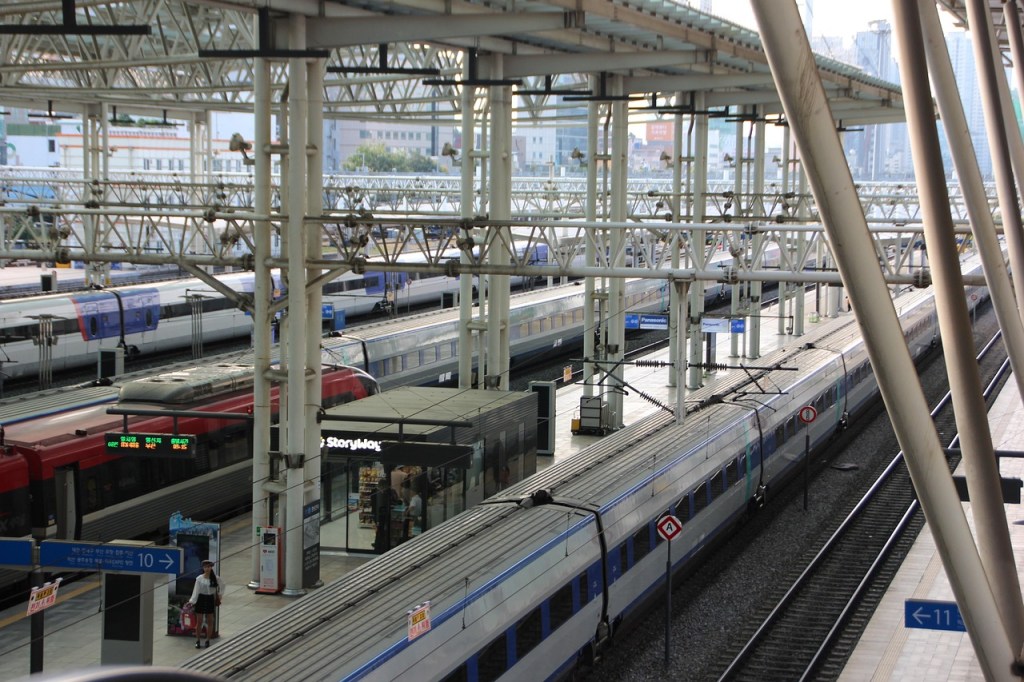
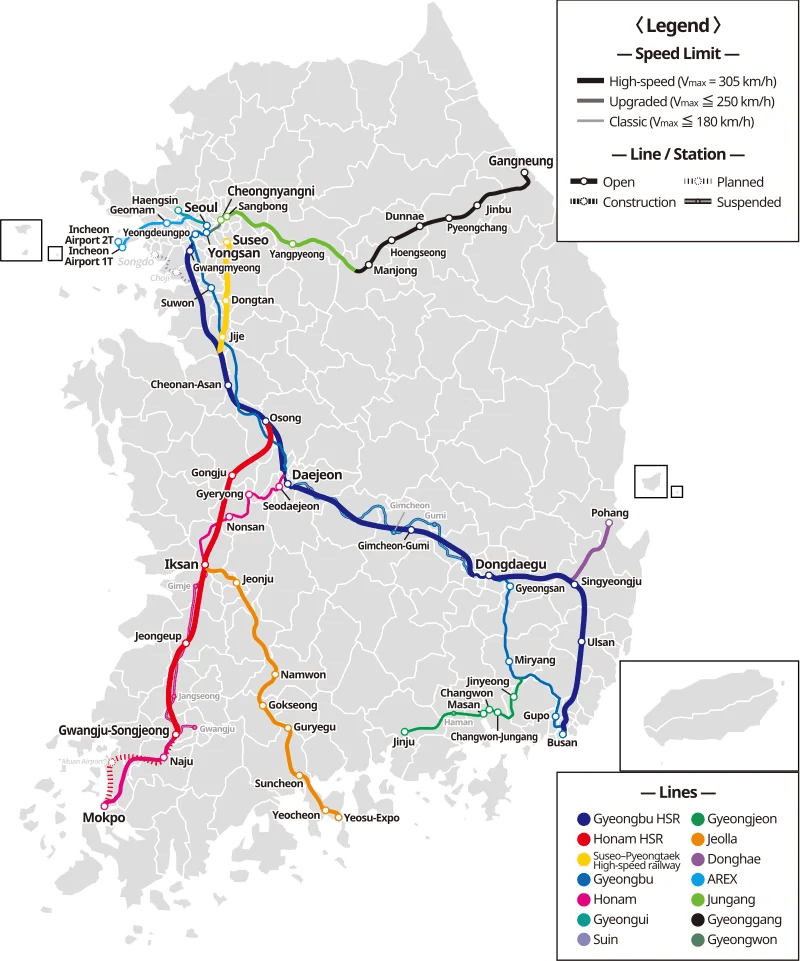
Despite its historical character, Gyeongju is well connected to Korea’s major cities by high-speed rail and intercity transport.
From Seoul
- Take the KTX high-speed train from Seoul Station to Singyeongju Station
- Travel time: approximately 2–2.5 hours
- From Singyeongju Station to Gyeongju city centre:
- Taxi or local bus (20–30 minutes, depending on destination)
Note: Singyeongju Station is located outside the historic centre. Allow extra time for the final transfer, especially if you are visiting multiple sites on the day of arrival.
From Busan
- Reachable by train or intercity bus
- Typical travel time: 1–1.5 hours
- Suitable for both day trips and overnight stays
Many travellers visit Gyeongju as a day trip from Busan. However, staying overnight allows more flexibility, particularly for early-morning temple visits or evening walks around illuminated historic areas.
Where to Stay in Gyeongju
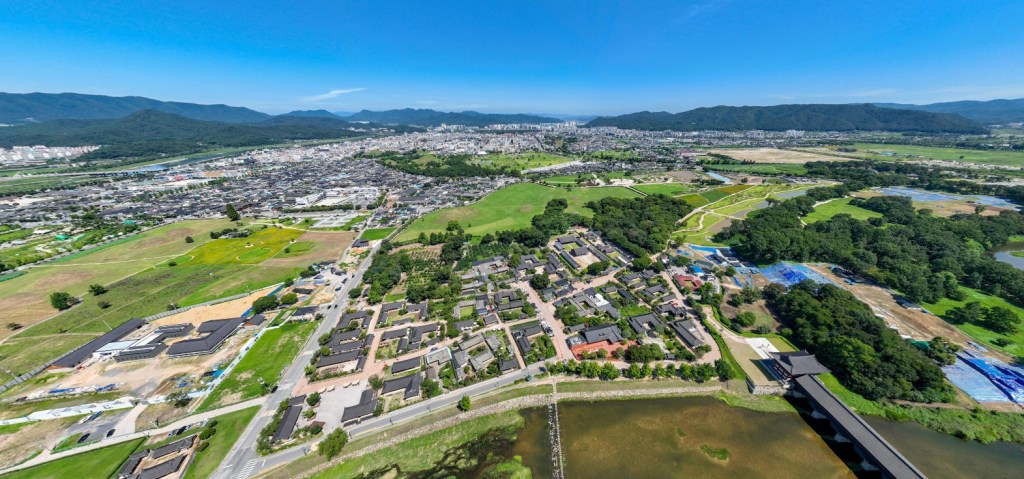
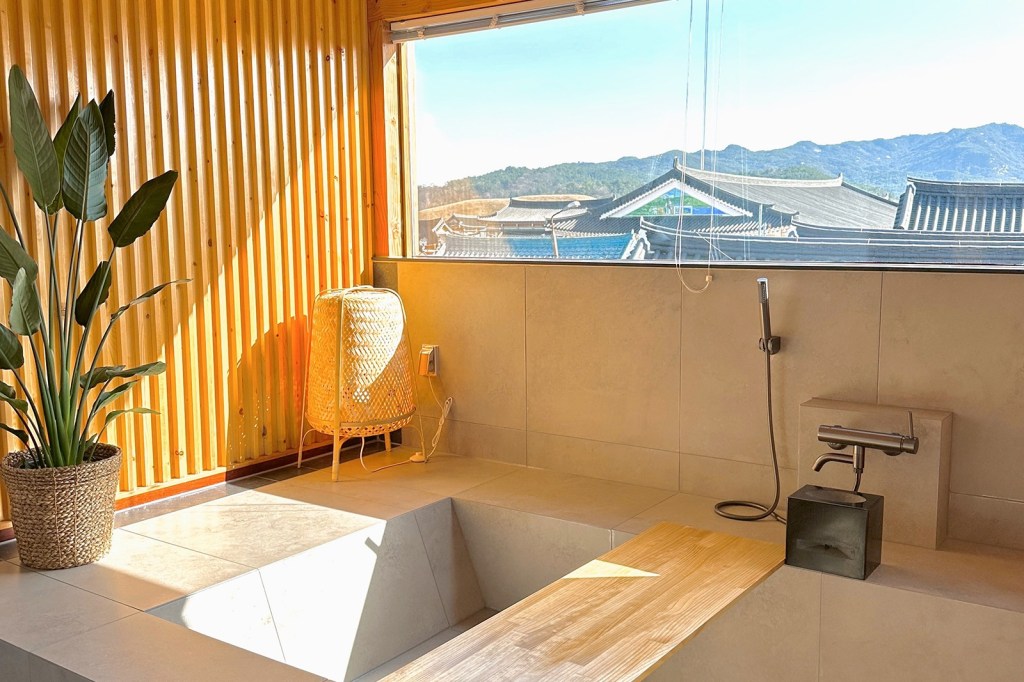
Choosing the right area to stay in Gyeongju depends largely on your travel style and length of stay.
1) Downtown / Hwangridan-gil Area
Best for: first-time visitors, short stays, café & restaurant access
- Walking distance to many historic sites
- Easy access to buses and taxis
- Wide range of guesthouses, boutique hotels, and small inns
This area is ideal if you want to explore the main historic zones efficiently without relying heavily on transport.
2) Bomun Lake Resort Area
Best for: relaxed travel, families, resort-style stays
- Larger hotels and resorts
- Scenic lake and quieter surroundings
- Requires taxis or buses to reach the historic centre
This area works well for travellers who prefer comfort and do not mind commuting to sightseeing areas.
Major Attractions & Local Specialties
Key Attractions (overview)
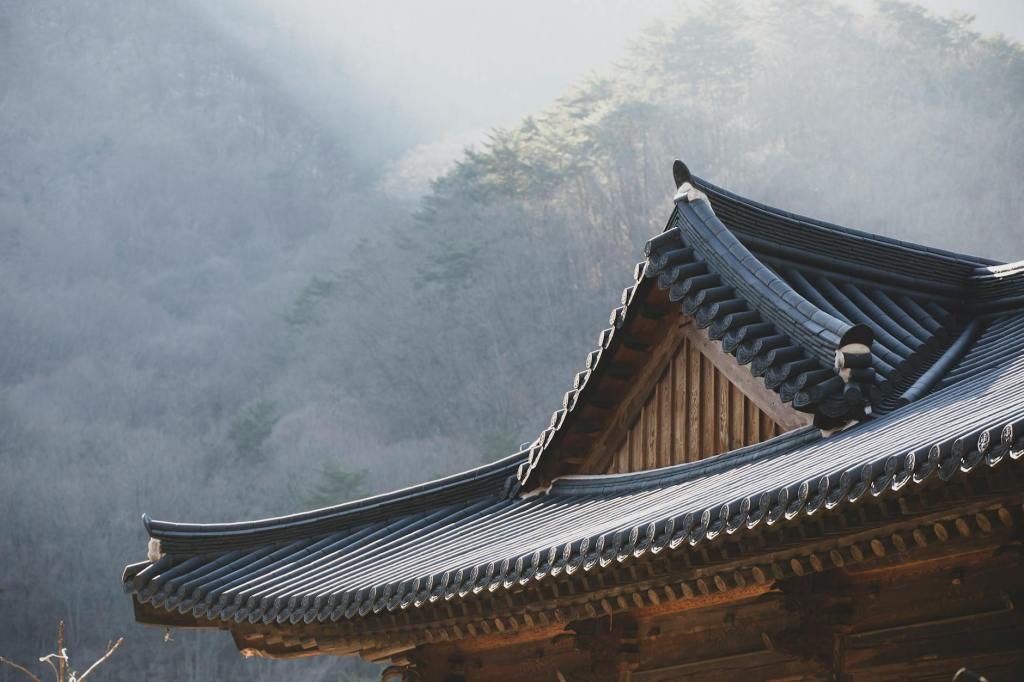
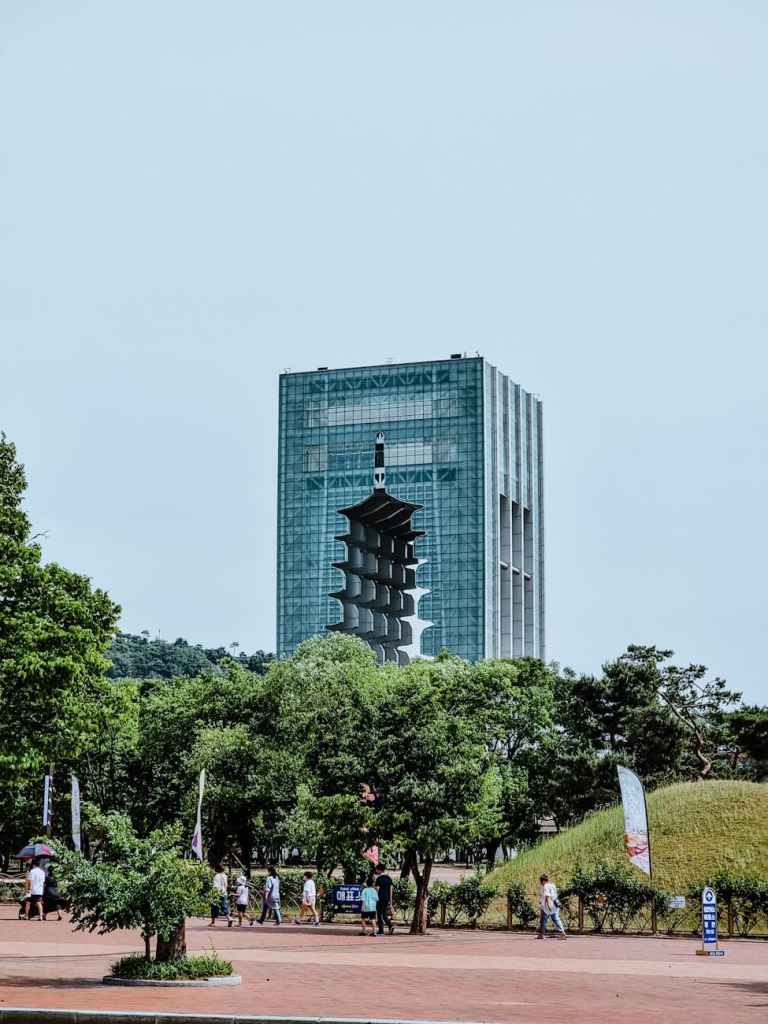
Most of Gyeongju’s landmarks are related to the Silla Kingdom and are spread across several historic zones.
- Bulguksa Temple – UNESCO-listed Buddhist temple complex
- Seokguram Grotto – Stone Buddha grotto overlooking the East Sea
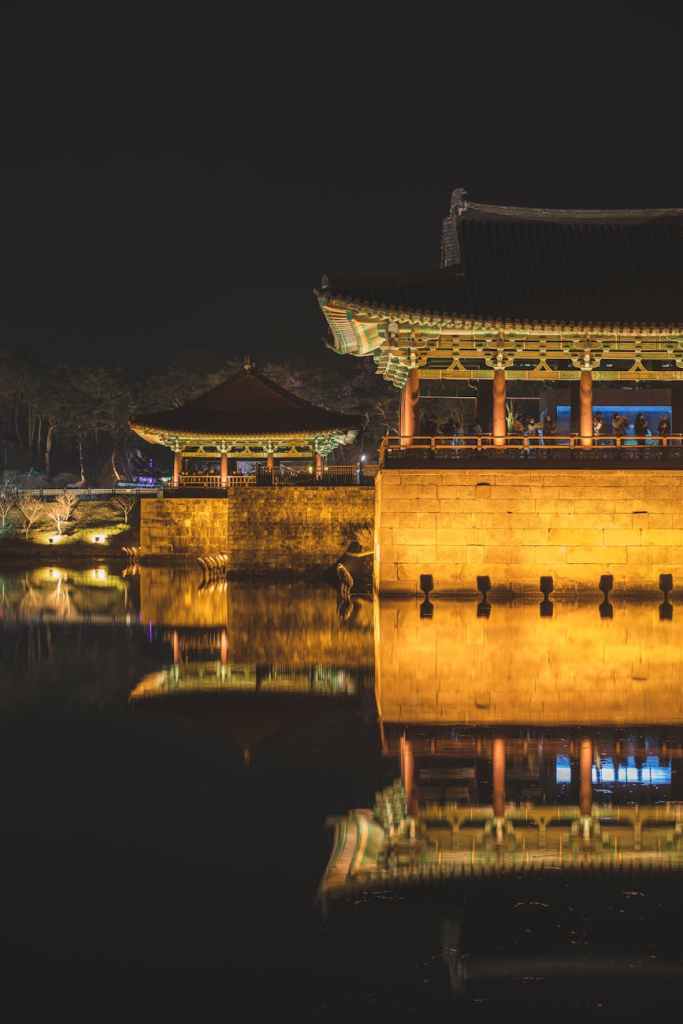
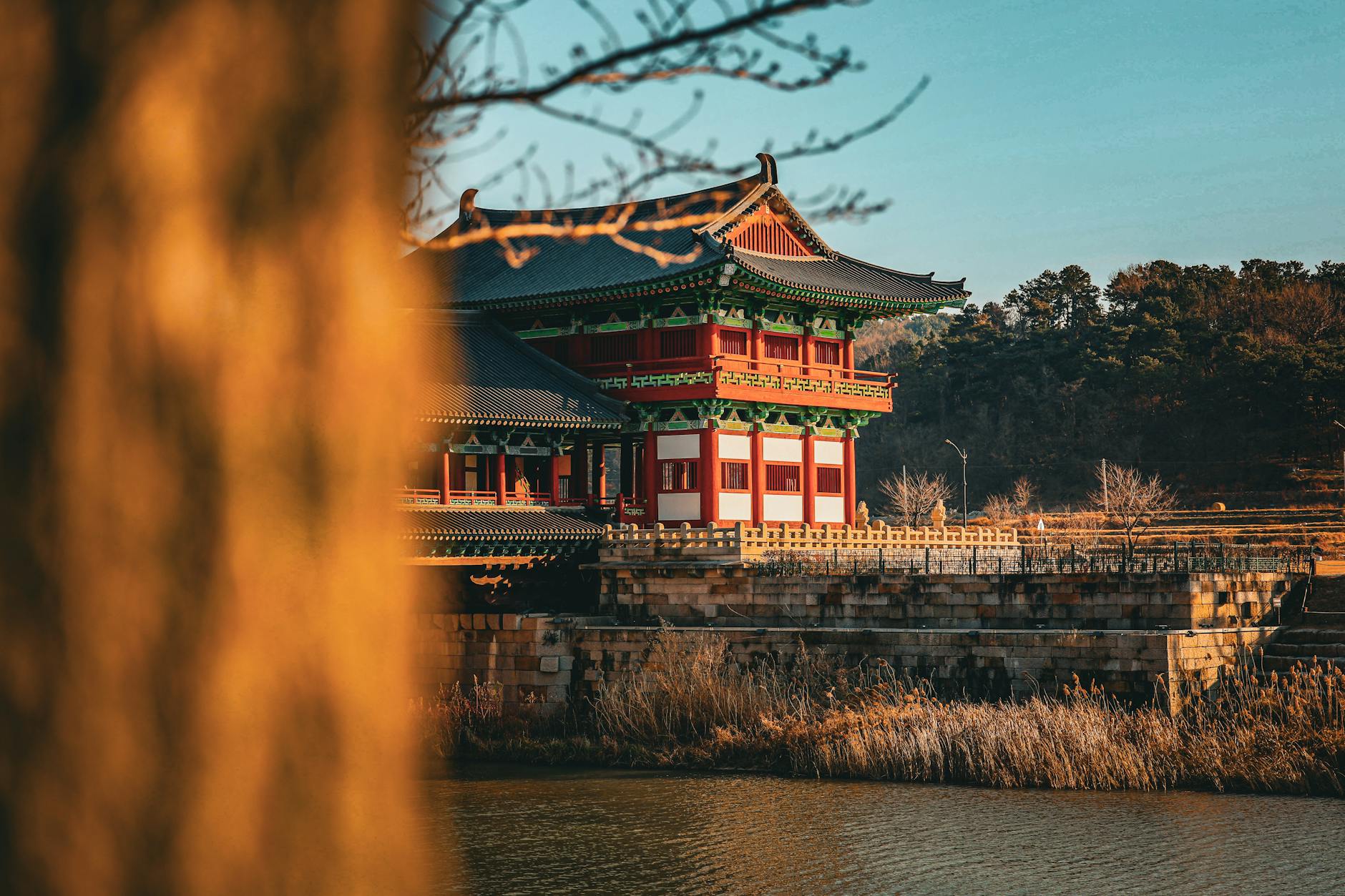
- Donggung Palace and Wolji Pond – Former royal palace site, especially popular at night
- Tumuli Park – Cluster of royal burial mounds in the city centre
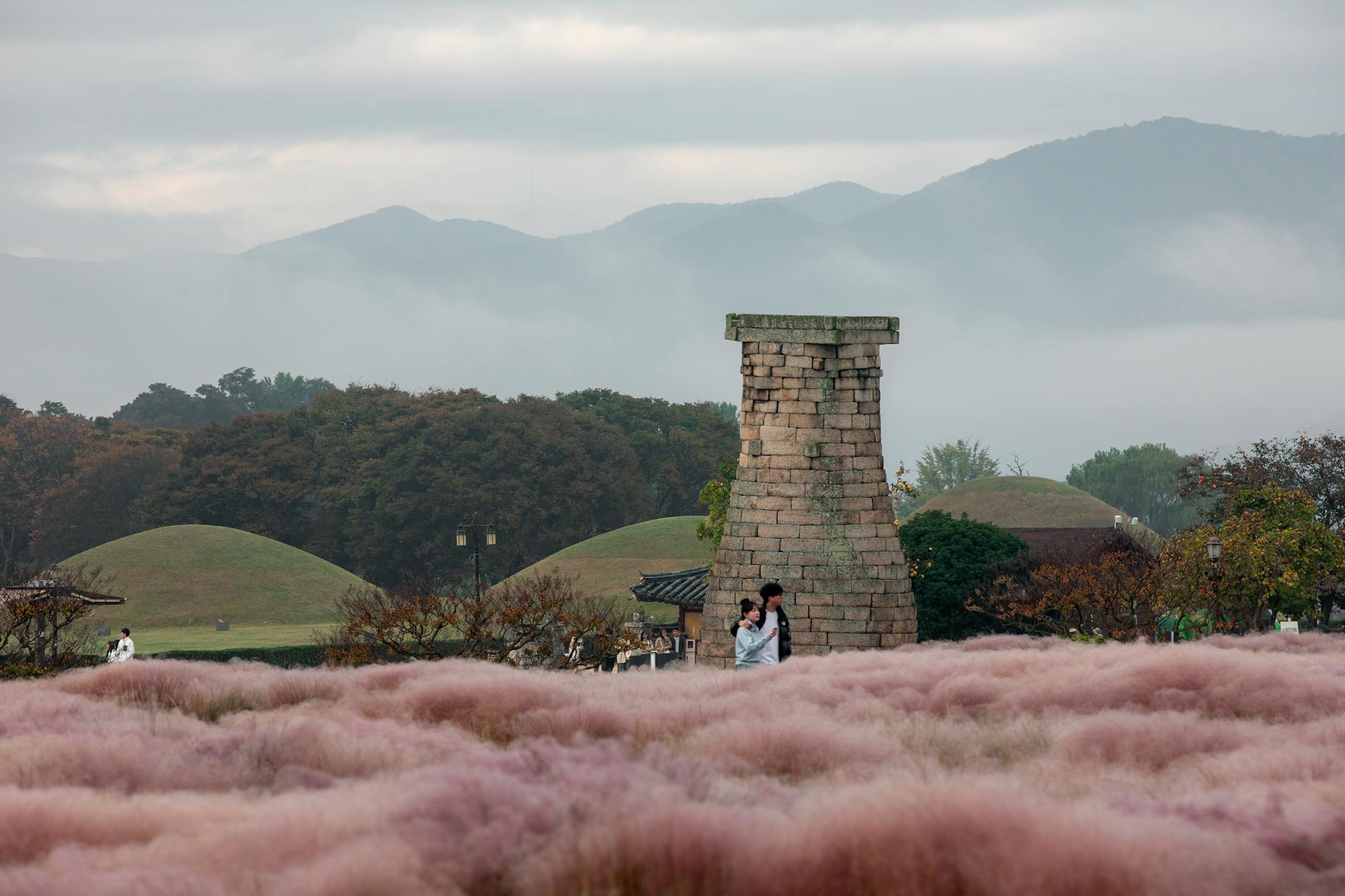
- Cheomseongdae Observatory – One of the oldest astronomical observatories in East Asia
Most of these sites can be combined efficiently over one or two days.
Local Specialties
Gyeongju also has a few well-known regional products and foods that are popular as souvenirs:
- Chalbori-ppang (찰보리빵) – chewy sweet barley bread/buns; one of the most common “Gyeongju-only” snacks people buy to take home
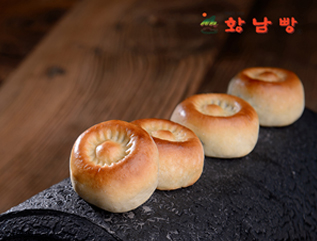
- Gyeongju bread (Hwangnam-ppang / 황남빵) – small red-bean pastries, another classic souvenir
Gyeongju is a destination that rewards careful planning. Its compact layout, concentrated historic sites, and manageable transport options make it easy to explore, but understanding where to stay, how to move around, and what to prioritise can significantly improve the experience.
In the sections that follow, I’ll share a selection of places I personally visited in Gyeongju, focusing on key attractions, walking routes, and practical observations that may help first-time visitors plan their own itinerary more efficiently.

![[Gyeongju 경주] Best Value Hotel in Gyeongju? My Experience at 141 Mini Hotel](https://my-seoul.com/wp-content/uploads/2026/02/20240930efbcbf161918.jpg?w=386)
![[Gyeongju 경주] Where to Stay in Gyeongju: Bomun Lake Area vs. Hwangridan-gil](https://my-seoul.com/wp-content/uploads/2026/02/34rtfgvsdf-1.jpg?w=1024)
![[Gyeongju 경주] Discover Gyeongju: Korea’s Ancient Capital of a Thousand Years](https://my-seoul.com/wp-content/uploads/2026/02/pexels-photo-29373794.jpeg?w=1024)
 MySeoul
Leave a comment