Planning your first trip to Korea? How exciting!
From Seoul’s dazzling city lights and charming neighborhood cafes to delicious Korean food and endless K-beauty shopping, there’s so much to look forward to.
But If it’s your first time visiting Korea, you might run into a few surprises along the way. Maybe Google Maps doesn’t work quite the way you’re used to. Maybe you’re not sure how to book a taxi, or you find yourself staring at a restaurant menu written entirely in Korean.
Don’t worry! A little preparation can make your trip so much easier. To help you get ready, I’ve put together 12 things worth knowing before your first trip to Korea, with practical tips from a local’s perspective.

1. Check your Visa and K-ETA Requirements before flying
Before getting too excited about your travel itinerary, let’s start with something important making sure you can enter Korea without any surprises. Depending on your nationality and the purpose of your visit, you may be eligible to enter South Korea without a visa. However, some travelers need a visa or a Korean Electronic Travel Authorization (K-ETA).
As of October 2026, travelers from certain countries, including United States, Canada, Japan, and Singapore, are temporarily exempt from K-ETA requirements until December 31, 2026.
You should also check whether you need to submit an e-Arrival Card before entering Korea. Eligible travelers can complete the e-Arrival Card online within three days before arriving in Korea, and it’s completely free. Some visitors, including those with a valid K-ETA, are exempt.
❗Always use official government websites to check entry requirements.
- Official K-ETA website: https://www.k-eta.go.kr
- Official e-Arrival Card website: www.e-arrivalcard.go.kr
- Korea Visa portal: https://www.visa.go.kr

2. Download NAVER Map instead of relying on Google Maps
If you usually rely on Google Maps when traveling, here’s something you should know. Google Maps may not offer the same navigation experience in Korea that you’re used to in other countries.
That’s why I recommend downloading NAVER Map before your trip. It’s one of the most useful apps for getting around Korea, whether you’re taking the subway, catching a bus, walking to a cafe, or looking for a restaurant.
NAVER Map supports English, so you don’t need to speak Korean to use it. One small thing to keep in mind is that some smaller restaurants and cafes can be difficult to find when searching in English.
❗Save the Korean names of places you want to visit if you can’t find them on NAVER Map. Copying and pasting the Korean name into NAVER Map often makes finding smaller local spots much easier.


3. Get a transportation card for subways and buses
One of the things I love about getting around Seoul is how convenient public transportation can be.
The subway system connects many of the city’s major attractions, and buses are useful for reaching places that aren’t right next to a subway station. If you’re planning to use public transportation, getting a T-money card is a good idea.
T-money is a rechargeable transportation card that you can use on subways and buses, along with some other services. You can purchase a card at most convenience stores and subway stations.
Just keep in mind that topping up a transportation card isn’t always as straightforward as paying with your usual credit card. For a standard T-money card, having some Korean won in cash is a good idea, since cash top-ups are commonly available.
❗When riding a bus, remember to tap your card both when you get on and when off. This helps ensure the correct fare is calculated and any applicable transfer discounts are applied.


4. Download Kakao T or k.ride for taxis
Planning to take a taxi in Korea? Then Kakao T is an app worth knowing about. It’s a widely used ride-hailing app in Korea that lets you enter your pickup location and destination, then request a taxi through your phone. It can be especially helpful when you’re traveling with heavy luggage or heading somewhere late at night.
However, international visitors may sometimes find the registration or payment setup process a little tricky. That’s where k.ride comes in. Developed by Kakao Mobility, k.ride is designed specifically with international travelers in mind.
It supports multiple languages, including English, Japanese, and Chinese, and offers features such as international card payments and translation assistance. This makes it a convenient alternative for travelers who don’t speak Korean or have a Korean phone number.
❗If you don’t have a Korean phone number, k.ride is a particularly useful option to explore.


5. Choose your hotel location carefully
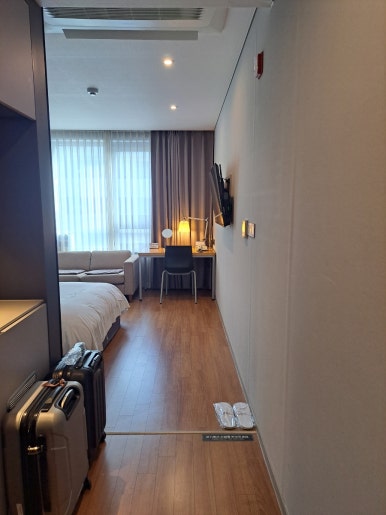
Seoul is a big city, and where you stay can make a huge difference to your travel experience. A hotel that looks affordable might not be such a great deal if you end up spending a lot of time traveling between attractions.
For first-time visitors, here are a few popular areas to consider.
- Myeongdong (명동): A convenient base for shopping, sightseeing, and exploring central Seoul.
- Hongdae (홍대): Known for its youthful atmosphere, cafés, shopping streets, and nightlife.
- Jongno (종로): A good choice if you’re interested in traditional Korean architecture, historic palaces, and the older neighborhoods of Seoul.
- Gangnam (강남): Worth considering if your plans involve shopping, modern city attractions, or business activities in southern Seoul.
Of course, even within the same neighborhood, the exact location of your hotel matters. Being close to a subway station can make getting around much more convenient.
❗Before booking your hotel, pick three to five places you definitely want to visit. Check their locations on NAVER Map and compare travel times from your shortlisted hotels.

6. Korean restaurants might work a little differently
One of the best parts of visiting Korea is, of course, the food! But if it’s your first time eating at a local Korean restaurant, you might notice a few things that are different from what you’re used to.
For example, some restaurants have a small button on the table to call the staff. You might also find chopsticks, spoons, and napkins tucked away in a drawer underneath the table.
And don’t be surprised if you see a tablet attached to your table. Many restaurants now use digital ordering systems, while others have self-service kiosks. Another thing you’ll probably love is banchan (반찬) — the small side dishes often served alongside Korean meals. These may include kimchi, seasoned vegetables, or other small dishes. Most restaurants offer complimentary refills, although the policy varies from place to place.
And here’s another thing worth knowing: tipping is generally not expected in Korean restaurants.
❗If you have food allergies or dietary restrictions, it’s a good idea to prepare a translated explanation in Korean before visiting a restaurant.

7. Don’t speak Korean? Download Papago!
You definitely don’t need to speak fluent Korean to enjoy your trip. Many major tourist attractions, hotels, and shopping malls provide information in English.
But once you start exploring smaller neighborhoods, local restaurants, and independent shops, you’ll probably come across signs and menus written entirely in Korean. That’s when Papago becomes incredibly useful.
Papago is a translation app developed by NAVER, and it’s particularly helpful when dealing with Korean text. One of its most convenient features is image translation. Simply use your phone’s camera to translate Korean menus, signs, or product labels. You can also type sentences or use voice translation features to help with basic communication.
❗It’s also useful when reading skincare labels or shopping for Korean beauty products.


8. Be ready for Korea’s four very different seasons
Korea has four distinct seasons, and the differences between them can be quite dramatic! Influenced by both the Asian continent and the surrounding oceans, Korea experiences hot, humid summers and freezing, dry winters, with much milder weather in spring and autumn.
Spring (March–May): Cherry Blossoms Everywhere
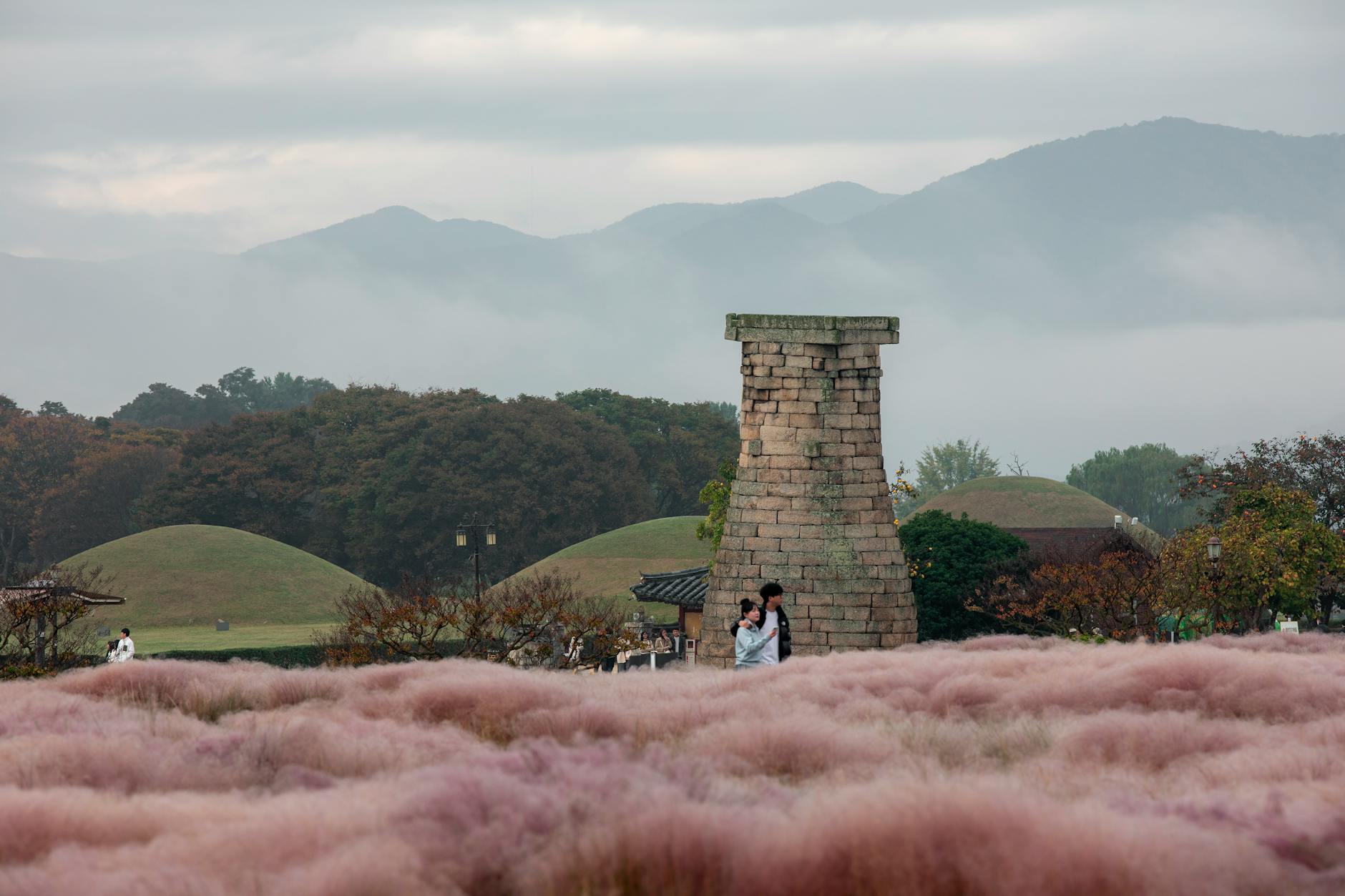
Spring is one of the loveliest times to visit Korea. Cherry blossoms appear everywhere, from famous parks to ordinary neighborhood streets. It’s a wonderful season for walking around and exploring the city, although early spring can still be a little chilly.
Summer (June–August): Hot and Humid!
Korean summers are seriously hot and humid! Temperatures often rise above 30°C (86°F), making outdoor sightseeing exhausting on some days. During an extreme heatwave in August 2026, the feels-like temperature in parts of Seoul reached 38°C (100.4°F)!
Autumn (September–November): Perfect for Exploring
Autumn is another fantastic time to visit. As the summer heat fades, the weather becomes cooler and more comfortable, making it perfect for long walks, outdoor cafés, and sightseeing. Beautiful autumn foliage is an added bonus!
Winter (December–February): Freezing Cold!
Korean winters can be extremely cold and dry, especially when strong winds blow. During a severe cold wave in January 2023, Seoul’s wind chill dropped to -25.7°C (-14.3°F)! That’s an extreme example, but it shows why proper winter clothing is essential.
❗For reliable, up-to-date weather information, visit the Weatheri or KMA website.


Final Thoughts: Enjoy Your First Adventure in Korea!
Visiting Korea for the first time can feel a little overwhelming, especially if you’re unfamiliar with the language and local customs. But once you get the hang of a few things, you’ll find that exploring Korea can be a wonderful experience.
Of course, there are plenty of famous attractions worth visiting. But I’d also encourage you to leave a little room in your itinerary for spontaneous discoveries. Step into a small café tucked away in a quiet neighborhood. Wander through a local market. Try a Korean dish you’ve never heard of before. Sometimes, it’s those little unexpected moments that become your favorite travel memories.
Here at My Seoul, I’ll be sharing more tips on traveling around Korea, discovering local food, finding lovely cafés, shopping, and exploring the world of K-beauty. Whether it’s your first trip or your fifth, I hope you’ll find something here to make your Korean adventure even more special.
Welcome to Korea, and happy travels!



Leave a Reply